

The Strategic Role of Focus Group Discussions in Research
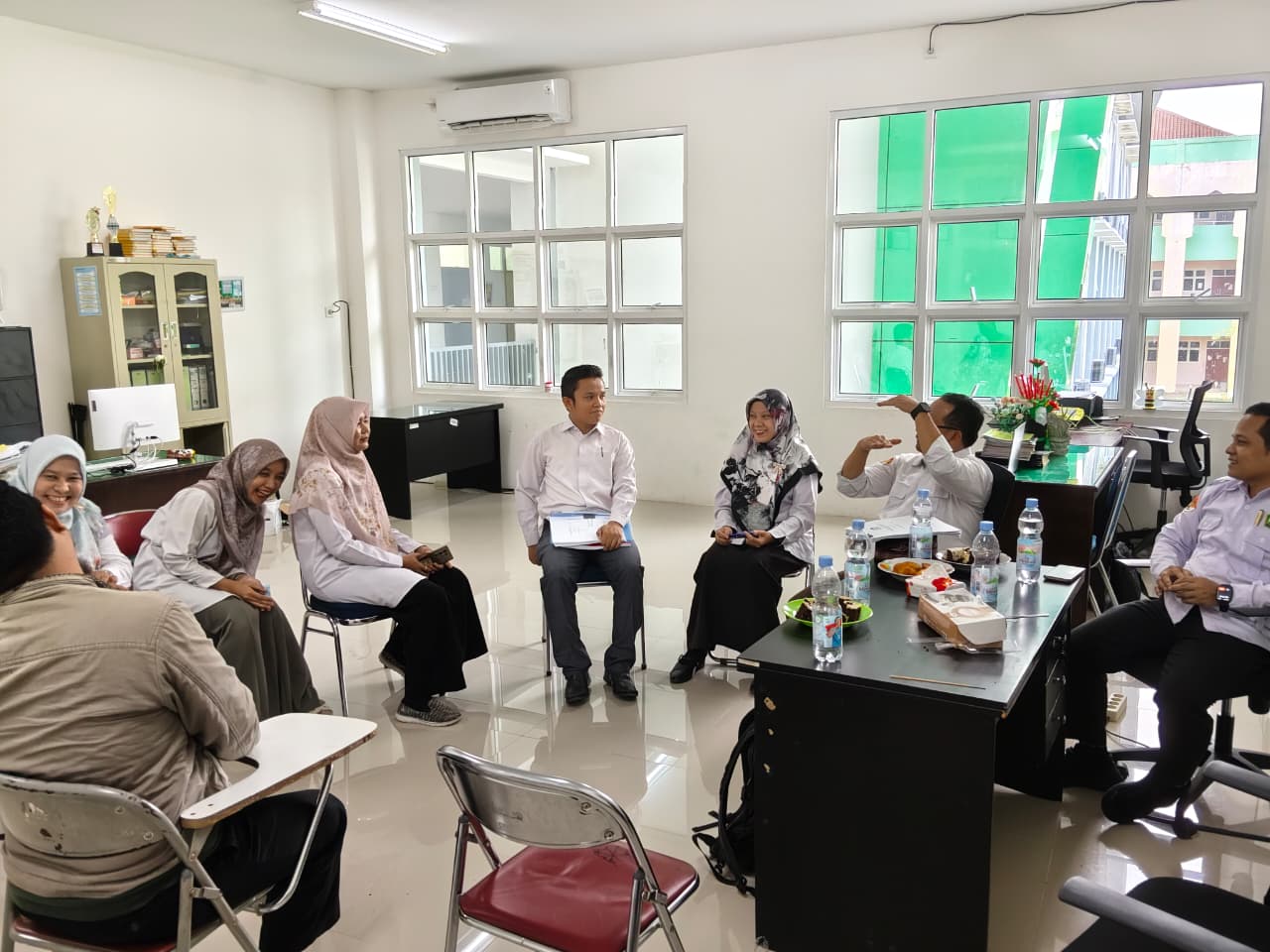
Focus Group Discussion (FGD) has long been recognized as a vital qualitative research method for exploring collective perspectives, social meanings, and shared experiences within a particular group. Unlike individual interviews, FGDs emphasize interaction among participants, allowing researchers to observe how opinions are constructed, negotiated, and sometimes contested in a social setting. This interactive dimension makes FGD especially valuable for research that seeks to understand complex phenomena influenced by culture, norms, and group dynamics.
One of the primary strengths of FGD lies in its ability to generate rich and nuanced data within a relatively short period of time. Through guided discussion, participants are encouraged to articulate their views, respond to others’ statements, and reflect on their own assumptions. Such exchanges often stimulate deeper insights that might not emerge in one-on-one interviews, as participants build upon or challenge each other’s ideas. Consequently, FGD enables researchers to capture not only individual opinions but also collective reasoning processes.
From a methodological perspective, FGD is particularly effective in exploratory research. When a research topic is underdeveloped or lacks sufficient theoretical grounding, FGDs can help identify key issues, concepts, and variables that merit further investigation. The findings from FGDs are often used to inform the design of surveys, interview guides, or experimental instruments, thereby strengthening the overall research framework and enhancing construct validity.
Another important contribution of FGD is its capacity to reveal power relations and social hierarchies within groups. The ways in which certain participants dominate discussions while others remain silent can provide valuable contextual information about authority, marginalization, and group norms. When carefully moderated, FGDs allow researchers to observe these dynamics and interpret them as part of the data, rather than treating them merely as methodological challenges.
Despite its advantages, FGD is not without limitations. Group settings may encourage conformity, leading participants to align their responses with dominant views rather than expressing dissenting opinions. Social desirability bias can also influence responses, particularly when sensitive topics are discussed. Therefore, researchers must exercise reflexivity and employ skilled moderation techniques to minimize these risks and ensure a more balanced discussion.
Ethical considerations are equally critical in conducting FGDs. Issues of confidentiality become more complex in group contexts, as researchers cannot fully control how participants share information outside the discussion. Clear informed consent procedures, mutual agreements among participants, and careful handling of sensitive data are essential to maintaining ethical integrity and trust throughout the research process.
In applied research, FGDs are widely used in fields such as education, health, communication, and public policy to inform decision-making and program development. Policymakers and practitioners often rely on FGDs to gain insights into community needs, stakeholder perceptions, and potential barriers to implementation. In this sense, FGD serves as a bridge between academic research and practical intervention.
Focus Group Discussion remains a strategically important method in qualitative research when used with methodological rigor and ethical awareness. Its strength lies not merely in collecting opinions, but in uncovering the social processes through which meanings are formed and shared. As research increasingly addresses complex and interdisciplinary issues, FGDs will continue to play a crucial role in enriching understanding and informing evidence-based decisions.



Tinggalkan komentar